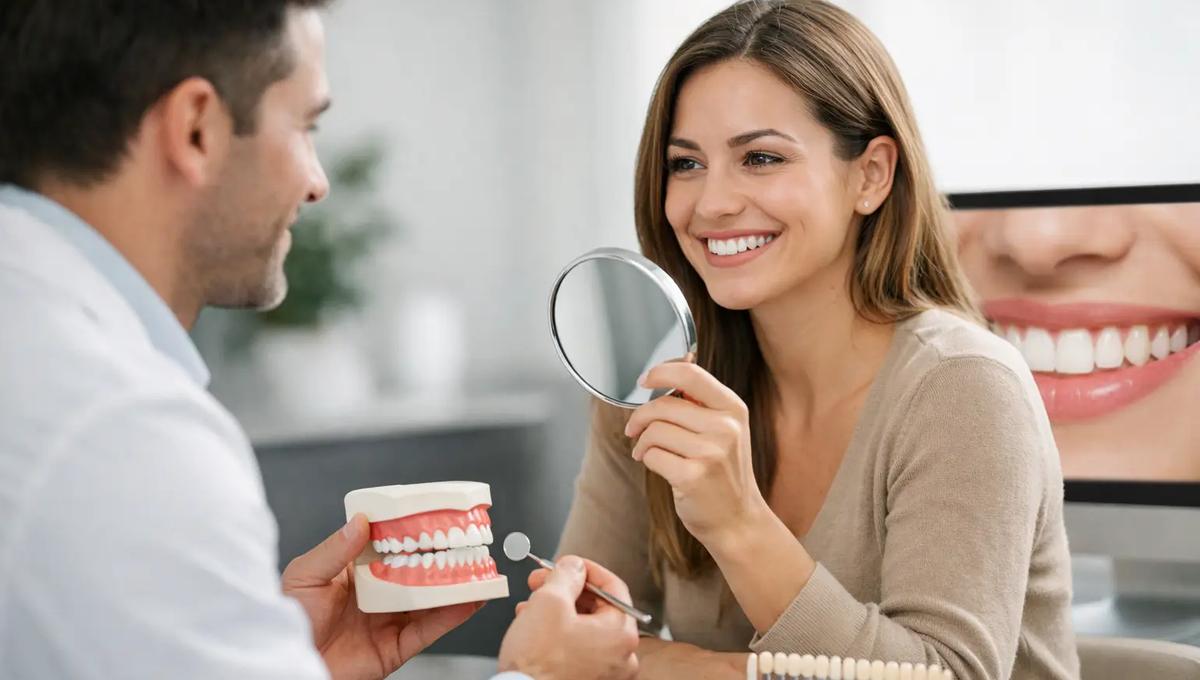
A cosmetic case is usually won or lost before the patient ever calls your front desk. If your ads, landing pages, and follow-up feel polished but not believable, prospects hesitate. That is the real issue behind how to build trust in cosmetic dentistry marketing - not getting attention, but getting high-intent patients to feel confident enough to book.
Cosmetic dentistry is a trust-first sale. Veneers, full smile makeovers, whitening, and clear aligners are elective. Patients are not just comparing price. They are judging risk. They want to know whether your team can deliver a result that looks natural, feels worth the investment, and matches what was promised.
That changes how your marketing should work. Trust is not a branding layer you add later. It is the conversion mechanism.
Why trust matters more in cosmetic dentistry
A patient considering implants for function may lead with pain, urgency, or quality of life. A patient considering cosmetic treatment often leads with emotion. They may feel self-conscious, skeptical, or embarrassed about asking questions. They also know cosmetic dentistry can be expensive, and they have probably seen enough overedited before-and-after content online to doubt what is real.
That means low-trust marketing creates expensive waste. You can generate clicks with attractive creative and broad offers, but if the message feels generic, the lead quality drops. Patients submit forms casually, ghost after follow-up, or show up with unrealistic expectations. High-trust marketing tends to do the opposite. It filters and converts at the same time.
How to build trust in cosmetic dentistry marketing from the first click
The first job of your marketing is not to impress people. It is to reduce uncertainty.
That starts with specificity. General claims like “transform your smile” or “world-class care” are too weak on their own. Patients have seen those lines everywhere. Specificity builds credibility because it sounds harder to fake. Talk about the procedures you actually want more of. Talk about who they are for. Talk about what the consultation process includes. Talk about the type of outcome a patient can realistically expect.
If you want more veneer consults, say so. If your practice is especially strong with natural-looking cosmetic work for working adults who do not want an overly white or artificial look, say that. A narrower message often produces fewer unqualified leads and more serious consults.
Show proof that looks real, not produced
Before-and-after photos still matter. They probably matter more in cosmetic dentistry than in almost any other dental category. But the bar is higher now. Patients are trained to doubt anything that looks too perfect.
Your proof should feel consistent, documented, and believable. Use the same angles when possible. Avoid heavy editing. Include a range of cases instead of only extreme transformations. If every result looks like a magazine cover, patients may assume your marketing is stronger than your clinical reality.
Video helps because it is harder to fake. Short patient clips, smile reveal reactions, and simple doctor explanations tend to outperform polished brand videos when the goal is trust. UGC-style creative works well here because it feels closer to how real people talk and decide. The trade-off is that casual-looking content still needs structure. If it feels sloppy or off-brand, it can lower confidence instead of raising it.
Make the doctor visible
In elective dentistry, patients are choosing a provider as much as a procedure. Hiding the dentist behind generic practice branding is a mistake.
People want to see who is doing the work, how they explain treatment, and whether they come across as careful and credible. That does not require a long personal story. It requires presence. A direct video explaining your cosmetic consultation process can do more for conversion than a page full of vague copy.
This is especially true in paid traffic. Meta and Google can generate demand, but the handoff from ad click to trust has to happen fast. If the prospect lands on a page and still cannot tell who the provider is, what makes the practice different, or what kind of result is realistic, you create friction right where intent is highest.
Use patient stories the right way
Testimonials are useful, but most clinics use them poorly. A quote that says “The staff was so nice” does not sell a cosmetic case. It may support general reputation, but it does not resolve the concerns that matter most.
The strongest testimonials answer buying questions. What was the patient worried about before treatment? Why did they choose your office? How did the result affect their confidence, work life, dating life, or social comfort? Was the process easier than expected? Did financing help make the decision possible?
Written reviews help. Video testimonials are stronger. The best ones sound specific and a little imperfect. Real trust comes from hearing language a prospect can relate to, not from scripted praise.
There is also a balance to strike. If every testimonial focuses only on emotion and never mentions process, cost clarity, or communication, patients may still hesitate. Cosmetic patients want reassurance on both the human side and the practical side.
Pricing clarity builds trust, even when you do not publish full fees
A lot of practices avoid discussing cost because they worry it will scare people off. Sometimes that is true. But complete price avoidance creates a different problem - distrust.
You do not need to list every treatment fee online to be transparent. You do need to show patients that your office understands the financial side of the decision. Mention financing availability. Explain that treatment plans vary by case complexity. Give ranges where appropriate if your market supports it. At minimum, tell prospects what happens during the consultation and whether pricing will be reviewed clearly at that stage.
Patients do not expect cosmetic dentistry to be cheap. They do expect the conversation to feel honest. When the ad promises confidence and the landing page avoids basic questions about investment, people assume the sales process will be uncomfortable.
Align your ad creative with your actual consult experience
One of the biggest trust leaks in cosmetic dentistry marketing happens when the front-end promise does not match the in-office experience.
If your ad is warm, modern, and patient-centered, but the consultation feels rushed or overly sales-heavy, the trust you built disappears. The same applies in reverse. A strong clinical team can still struggle if the ads attract the wrong expectations.
That is why performance marketing in this category has to be operationally aware. The ad angle, landing page copy, intake script, and consultation flow should all tell the same story. If you market premium cosmetic work, your follow-up should be fast and professional. If you market affordability, your team should be prepared to explain financing clearly. If you promote natural-looking smile makeovers, your consult should show examples that support that promise.
This is where many clinics waste good traffic. They judge campaign quality only by lead volume, when trust issues often show up later as no-shows, low case acceptance, or weak treatment fit.
Trust improves lead quality, not just conversion rate
When clinic owners think about trust, they sometimes frame it as a soft metric. It is not. It affects hard outcomes.
Higher trust usually means better lead intent, better show rates, and better consultation efficiency. Patients arrive with a clearer understanding of the service, more confidence in the provider, and fewer surprises. That can shorten the sales cycle and improve case acceptance for higher-ticket cosmetic work.
This is why the best campaigns do not chase the cheapest lead. Cheap leads are easy to buy when the message is broad and low-friction. Qualified cosmetic consults are harder to generate because they require stronger positioning and better trust signals.
If your current campaigns produce volume but not enough booked treatment, the fix may not be more ad spend. It may be better trust architecture across the funnel.
How to build trust in cosmetic dentistry marketing without sounding generic
Most dental marketing fails the trust test because it sounds interchangeable. The copy is polished, the visuals are clean, and none of it proves why a patient should believe this practice over the one across town.
The solution is not more words. It is sharper evidence.
Use real case outcomes. Use doctor-led explanations. Use patient language. Make your offer specific. Set expectations clearly. Show enough of the process that the next step feels safe.
If you run paid traffic aggressively, this matters even more. Fast lead generation only works when the trust gap is small. Otherwise, you are paying to generate doubt at scale. That is why specialized operators tend to outperform generalist agencies in elective dental categories. They understand that cosmetic marketing is not just about getting clicks. It is about getting qualified consultation calls from patients who already believe your clinic is worth hearing out.
Booked.Dental approaches this with the same filter: ads should not just create attention. They should create enough confidence for the right patient to take action.
Trust is built when your marketing makes the decision feel lower-risk, more believable, and easier to act on. If your campaigns can do that, growth gets a lot more predictable.
Ready to check if your market is available?
Pick a time to confirm whether your city is still open. Booked.Dental works with only one implant or cosmetic clinic per local market.
Check Your Market